
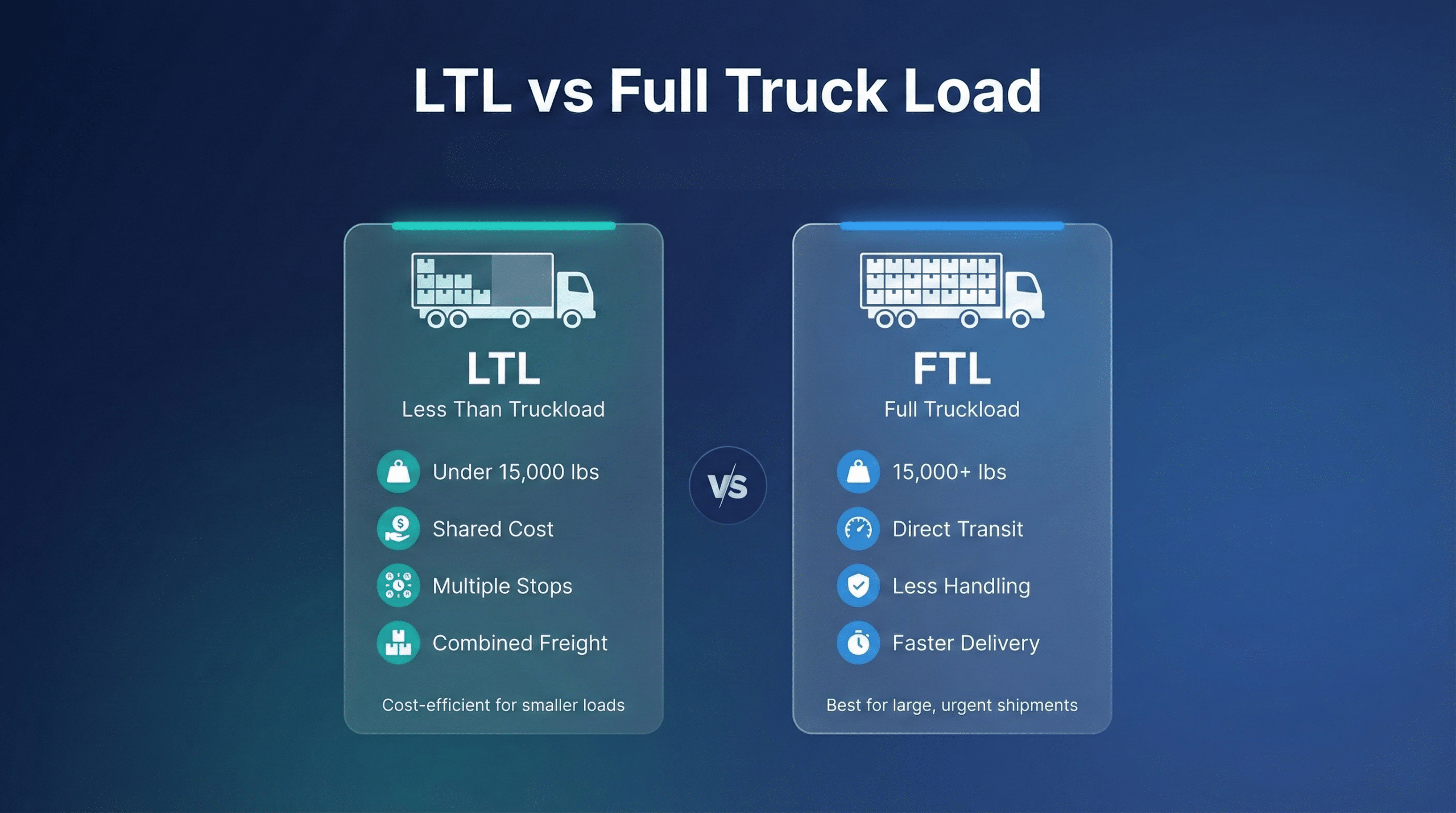
Shipping goods efficiently requires understanding the differences between less-than-truckload (LTL) and full truckload (FTL) services. Making the right choice can significantly affect cost, delivery speed, and cargo safety. LTL shipping allows multiple shippers to share space on a single truck, making it suitable for smaller shipments, while FTL dedicates an entire truck to one shipment, providing faster transit and reduced handling. Each method has unique advantages depending on shipment size, frequency, and urgency. We will explore key factors to consider when deciding between LTL and full truckload services to ensure your freight reaches its destination safely, timely, and cost-effectively.
Less-than-truckload shipping is designed for shipments that do not require a full truck. This method consolidates freight from several shippers into one truck, which allows for cost-sharing and makes shipping smaller loads more economical. One of the main benefits of LTL is affordability, especially for businesses that frequently ship moderate quantities of goods. Many companies rely on a Toronto Trucking Company to provide reliable LTL services, often including scheduled daily departures, which allows flexibility in planning shipments and ensures goods reach their destinations efficiently.
However, because cargo from multiple shippers is handled together, LTL shipments may involve more stops and transfers, increasing the risk of minor delays or handling damage. For businesses, LTL is advantageous when shipment volumes are low, destinations vary, or budget constraints require a more economical approach without compromising reach across wide regions. LTL shipping also often includes tracking and email notifications, helping shippers maintain visibility into their goods even as they travel across borders or through multiple terminals.
Exploring Full Truckload Shipping
Full truckload services dedicate an entire vehicle to a single shipper’s cargo. This method is optimal for large shipments that occupy most of a truck or for situations where timely delivery is critical. FTL reduces handling because goods are loaded once and transported directly to the destination without transfers between terminals. This direct approach minimizes the risk of damage and ensures faster transit times than LTL. Businesses often choose FTL when shipping high-value products, bulky items, or sensitive materials that require careful handling and consistent climate control. While FTL may cost more upfront because it uses an entire truck, it offers greater scheduling predictability and fewer logistical complications, which can offset the additional costs. Moreover, FTL is particularly suitable for time-sensitive shipments, as it allows carriers to plan routes efficiently without coordinating with other shippers, ensuring reliable delivery windows and streamlined operations.
Factors to Consider When Choosing Between LTL and FTL
Selecting the right freight method involves weighing multiple factors, including shipment size, frequency, urgency, and cost considerations. Shipment volume is often the most obvious determinant; small loads are better suited for LTL, while large shipments naturally favor FTL. Delivery timelines also influence the choice; time-sensitive shipments benefit from FTL due to minimal handling and direct transit. Cost is another key element. LTL provides an economical solution for smaller loads because costs are shared among multiple shippers, whereas FTL incurs a higher upfront expense but can save money in the long term when factoring in reduced handling and faster delivery.
Additional factors include cargo type, fragility, and distance. Hazardous, perishable, or delicate goods may require FTL for safer, controlled transport. Meanwhile, LTL may be suitable for non-urgent shipments across moderate distances, offering a balance between cost and service quality. Each factor should be assessed based on the business’s specific operational needs to ensure efficiency and reliability.
Balancing Cost and Service Needs
Cost-effectiveness and service quality are often intertwined considerations when choosing between LTL and FTL. LTL allows companies to reduce expenses by sharing truck space, which is particularly valuable for frequent, smaller shipments. However, it may involve slightly longer transit times and additional handling. Conversely, FTL provides more predictable scheduling and reduces handling, which can prevent damage and delays, but requires a larger upfront investment. Businesses need to analyze shipping frequency, budget limits, and the potential cost of delays or damage.
Evaluating historical shipping data can help determine whether consolidating multiple small shipments through LTL outweighs the benefits of FTL. Additionally, understanding carrier networks, terminal locations, and accessorial services ensures logistics align with operational priorities. The right choice balances both cost and reliability, enabling businesses to maintain customer satisfaction while optimizing shipping expenses and operational efficiency.
Integrating Technology in Freight Decisions
Modern shipping solutions, such as online portals and tracking systems, enhance decision-making for LTL and FTL shipments. Shippers can obtain instant freight quotes, book orders online, and access real-time tracking to monitor progress. Technology enables better route planning, timely alerts about delays, and proactive management of claims and insurance needs. For LTL shipments, tracking is essential because multiple stops increase handling and transfer points.
FTL benefits from route optimization, ensuring faster delivery and reduced fuel consumption. Companies using digital systems can analyze data on shipment frequency, volume, and delivery times to make informed decisions on whether LTL or FTL is more cost-effective or operationally efficient. Incorporating technology into freight planning improves transparency, reduces uncertainty, and enables dynamic adjustments based on demand, shipment priority, or seasonal variations, ultimately creating a more responsive logistics strategy for both small and large loads.
Choosing between less-than-truckload and full truckload services requires careful consideration of shipment size, urgency, cost, and cargo type. LTL offers a cost-efficient solution for smaller shipments and frequent, flexible deliveries, while FTL provides faster, direct transit with minimal handling for larger or time-sensitive loads. By assessing operational priorities, analyzing shipping volumes, and leveraging technology for tracking and planning, businesses can optimize freight decisions to balance cost, reliability, and delivery speed. Understanding the unique benefits and limitations of each method allows shippers to align freight services with their goals, ensuring goods arrive safely, on schedule, and efficiently. Thoughtful evaluation and strategic selection enhance overall supply chain performance and customer satisfaction.
