
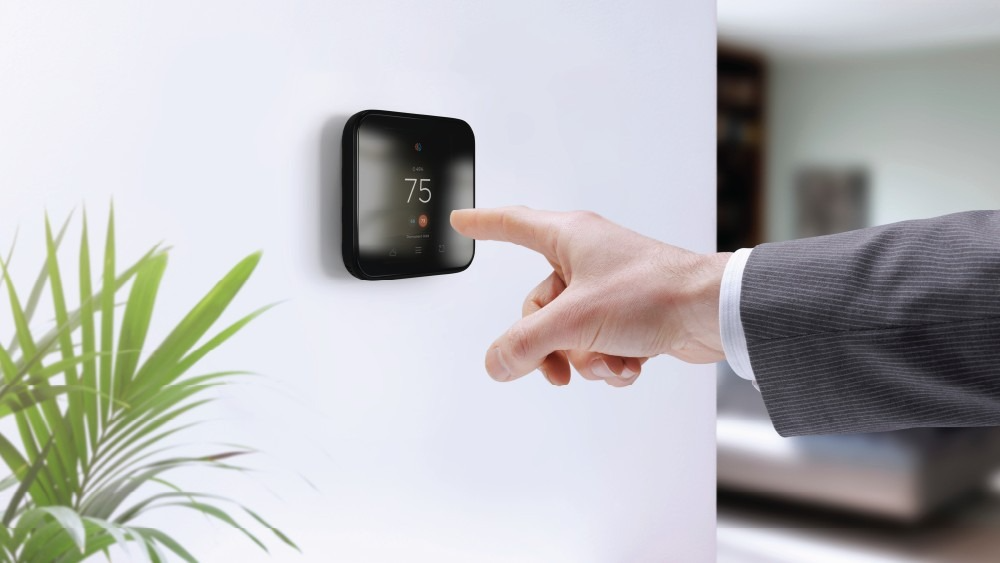
We will explore how smart thermostats are transforming the way homeowners manage indoor comfort, energy usage, and environmental impact. Traditional thermostats have long been limited to basic temperature control, often requiring manual adjustments and offering little insight into energy consumption. Smart thermostats, by contrast, integrate technology, connectivity, and data analysis to provide dynamic control over heating and cooling systems. By adapting to lifestyle patterns and external conditions, they reduce unnecessary energy usage while maintaining a comfortable environment. Beyond cost savings, these devices offer convenience, long-term efficiency improvements, and a step toward sustainable living, making them a crucial tool in modern home management for both new and existing residences.
Adaptive Temperature Control and Lifestyle Integration
Smart thermostats are designed to adapt to the daily routines and preferences of household members. Unlike conventional thermostats, which require constant manual adjustment, smart thermostats learn usage patterns over time and automatically adjust heating or cooling levels to match occupancy and lifestyle. For example, they can lower the temperature during the night when residents are asleep or increase warmth shortly before waking, ensuring comfort while minimizing energy waste.
Integration with mobile apps allows homeowners to control their system remotely, providing flexibility when schedules change unexpectedly. Companies like Semper Fi Heating and Cooling in Henderson offer smart thermostat installations that maximize this remote functionality. Some devices also offer geofencing capabilities, which detect when residents leave or approach their home and adjust settings accordingly. By anticipating needs rather than responding reactively, smart thermostats reduce human error, prevent unnecessary energy use, and create a seamless living experience that aligns with modern expectations of convenience and comfort.
Energy Efficiency and Cost Reduction
One of the most significant impacts of smart thermostats lies in energy efficiency and cost reduction. These devices collect data on household heating and cooling patterns, outdoor weather conditions, and energy consumption trends. By analyzing this information, they optimize system operation to minimize energy waste while maintaining comfortable indoor temperatures. Unlike standard thermostats, which operate on fixed schedules, smart thermostats adjust dynamically, reducing heating or cooling during unoccupied periods and fine-tuning system performance when outdoor conditions change. Homeowners often see a measurable reduction in utility bills as a result, as heating and cooling typically account for a substantial portion of energy costs in residential buildings.
In addition, some smart thermostats provide detailed reports and insights, allowing residents to identify patterns that may lead to further efficiency improvements, reinforcing both economic and environmental benefits over the long term.
Enhanced Connectivity and Integration with Smart Home Systems
Smart thermostats are at the core of modern smart home ecosystems, enabling seamless integration with other devices and platforms. They can communicate with voice assistants, security systems, lighting, and even appliances to create a synchronized home environment. For instance, a thermostat connected to a home assistant can receive voice commands to adjust the temperature while simultaneously interacting with motion sensors to detect room occupancy and adjust heating or cooling accordingly.
Integration with energy management platforms also allows homeowners to track overall household energy usage and coordinate schedules for multiple devices to maximize efficiency. The connectivity of these systems ensures that heating and cooling are not managed in isolation but as part of an interconnected network of devices, creating convenience, reducing energy waste, and enabling proactive control that aligns with contemporary expectations for automation and intelligent home management.
Environmental Impact and Sustainability
Beyond convenience and cost savings, smart thermostats contribute significantly to environmental sustainability. By optimizing energy use, they reduce greenhouse gas emissions from fossil-fuel- or electricity-powered heating and cooling systems. Dynamic adjustments prevent unnecessary operation of HVAC systems, reducing households’ carbon footprints without sacrificing comfort. Some devices also provide feedback on energy conservation efforts, encouraging behavioral changes that further reduce environmental impact.
When adopted widely, the cumulative effect of smart thermostats on energy demand can influence overall energy consumption patterns in residential areas. In addition, their ability to integrate with renewable energy sources, such as solar panels or smart grid systems, enhances the potential for environmentally conscious home management. As concerns about climate change and resource efficiency grow, the role of smart thermostats in promoting sustainable living becomes increasingly relevant and essential.
Data-Driven Insights and Predictive Maintenance
Smart thermostats also provide homeowners with valuable data insights and predictive capabilities that extend beyond basic temperature control. Many devices monitor system performance, alerting residents to potential maintenance needs or irregular energy consumption patterns that may indicate inefficiency. Predictive analytics can anticipate issues before they become major problems, enabling timely intervention to maintain system reliability and avoid costly repairs.
Furthermore, detailed energy reports give a clear picture of how and when energy is used, enabling informed decisions to further reduce consumption. By combining data collection, analytics, and automation, smart thermostats transform heating and cooling management from a reactive process into a proactive, strategic approach. This data-driven methodology not only ensures comfort and efficiency but also contributes to the longevity and consistent performance of HVAC systems in the home.
Smart thermostats are redefining the approach to home heating and cooling by combining adaptive control, energy efficiency, connectivity, and environmental consciousness. Their ability to learn household patterns, adjust dynamically, and provide actionable data insights creates a level of convenience and control that surpasses traditional thermostats. Beyond comfort, they offer tangible financial benefits and promote environmentally responsible living, reflecting the evolving expectations of modern homeowners. As smart home technology continues to advance, these devices will remain central to creating sustainable, efficient, and responsive living spaces. By integrating adaptive technology with predictive analytics, they empower residents to optimize energy usage, reduce costs, and contribute to a greener future while maintaining a comfortable home environment.
