
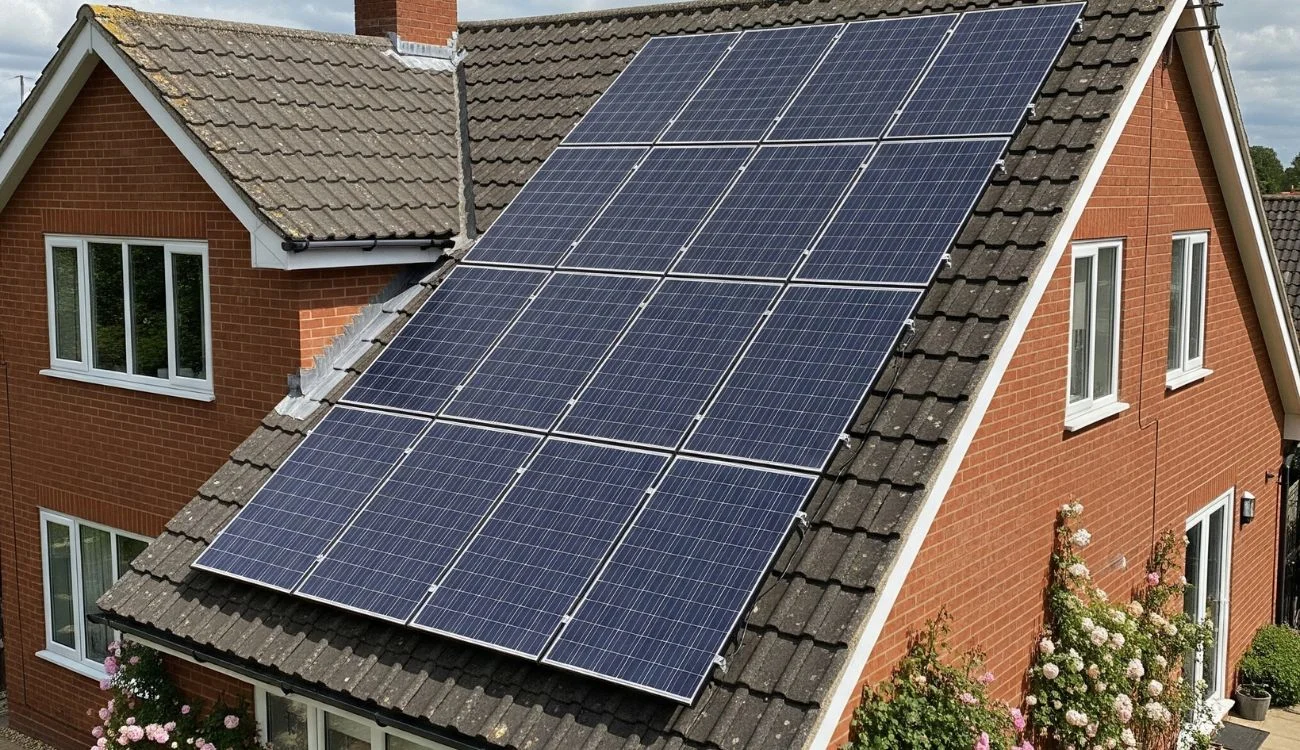
Installing solar on an older composite roof can be a smart upgrade, but it requires more care than mounting on a newer roof surface. Composite shingles may still appear acceptable from the ground, while the roof deck, underlayment, and flashing details have aged in ways that reduce fastener strength and water protection. Solar mounting points create roof penetrations, and even small installation shortcuts can lead to slow leaks that show up months later as stained ceilings or soft decking. The goal is to treat the roof as the foundation of the solar project, not an afterthought. That means checking roof condition, selecting mounting hardware that matches the shingle and deck, using proper flashing methods, and verifying every penetration is sealed and protected against wind-driven rain. When these steps are planned carefully, solar can be installed without turning an older roof into a leak risk.
Fastening and waterproofing basics
- Start With Roof Condition and Structural Layout
Before any hardware goes up, the roof needs an honest evaluation. Composite roofs near the end of their service life may have brittle shingles, curling edges, granule loss, or soft spots that indicate moisture in the deck. If the roof has only a few years left, it often makes sense to reroof first rather than mount over aging shingles and risk having to remove and reinstall the array later. The installer should accurately locate rafters and confirm spacing so that the mounts anchor into framing, not just into sheathing. A stud finder alone is not enough; rafter mapping should be verified with measurements from attic access or reliable edge references. The deck thickness matters as well, because fastener length and pull-out strength depend on it. Older roofs may also have multiple layers of shingles, which can complicate mounting height and sealing. If ventilation is weak, attic heat can accelerate shingle aging and affect long-term seal stability around penetrations. These checks help decide mount placement, attachment frequency, and whether any roof repairs should be completed before the solar crew arrives.
- Use Mounting Hardware Designed for Shingle Roofs
Leak prevention starts with choosing hardware designed for composite shingles that includes flashing or an integrated waterproofing system. The mount should transfer load to the rafters and resist wind uplift while keeping the roof surface protected at the penetration. Common approaches include flashed L-feet, standoff mounts with flashing plates, or rail-less systems with integrated flashing. The key is that the flashing must shed water onto the shingle surface below, not trap water under the shingles. This requires careful shingle lifting, correct placement under the upper course, and ensuring the flashing sits flat without bending or cracking shingle layers. A reliable sealant is still important, but it should support the flashing system, not replace it. Sealants can fail over time when used as the primary waterproofing method. Installers should also use fasteners rated for exterior exposure and compatible with the mounting system, and torque them correctly to avoid crushing shingles or overdriving into the deck. If you are comparing installer approaches, more about AWS Solar may highlight flashing-first practices, as that method focuses on water shedding rather than relying solely on caulk.
- Step-by-Step Leak Prevention at Every Penetration
A consistent installation sequence reduces mistakes. Each mount location should be laid out so that penetrations are not placed in vulnerable zones such as valleys, low-slope transitions, or areas with existing flashing issues. The shingle course should be lifted carefully to avoid tearing, and the deck should then be predrilled as required by the mounting design. A high-quality sealant is often applied in the pilot hole and under the flashing, where specified, and then the lag screw is driven into the rafter to the correct depth. Next, the flashing should be slid under the upper shingle course, so water flows over it, and any lifted shingles should be reseated without leaving raised edges that can catch wind or debris. Some systems use butyl gaskets or compression seals at the mount, which can improve long-term performance when installed correctly. After the mounts are installed, the crew should visually confirm that each flashing is properly aligned, that nail lines and shingle edges are intact, and that no gaps remain where wind could push water upward. A final water-shedding check is simple: look at the roof path a raindrop would follow and confirm it never has to travel uphill around a mount.
Reliable Solar Mounting Without Future Leaks
Solar installation on older composite roofs can be durable when fastening and waterproofing are treated as a core part of the project. Start by confirming the remaining roof life, checking for soft decking, and mapping rafters so the mounts anchor into the framing. Choose shingle-rated mounting hardware with proper indication of flashing placement, and remember that flashing should shed water while sealant plays a supporting role. Use a repeatable penetration process that protects shingles, aligns flashing correctly under the upper courses, and avoids vulnerable roof zones where water concentrates. During rail and panel work, reduce shingle damage by managing foot traffic, staging materials carefully, and using clean conduit flashing details. With these steps, an older composite roof can reliably support solar while minimizing the risk of leaks and protecting the home below for years to come.
