
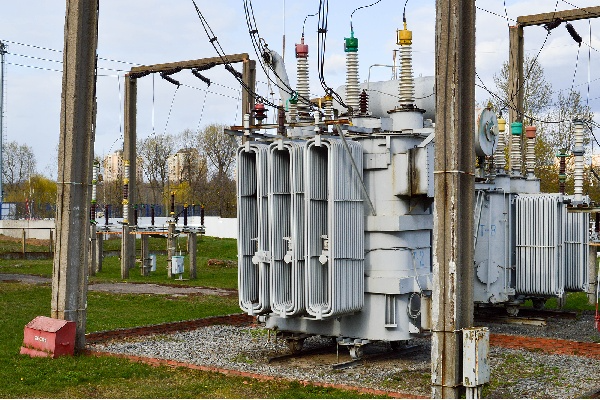
In industrial and utility settings, transformer fire safety is not merely a regulatory requirement but a critical aspect of operational continuity and personnel protection. Transformers are at the heart of power distribution, and any failure can result in extensive damage, prolonged downtime, and safety hazards. We will explore why prioritizing transformer fire safety is essential and how implementing robust fire barriers can prevent catastrophic incidents. Modern solutions focus on containing potential fires, reducing environmental impact, and safeguarding adjacent equipment. The need for reliable fire protection measures is increasingly urgent as infrastructure ages, operational demands grow, and the cost of unplanned outages rises.
Transformers and Fire Risk in Industrial Settings
Transformers, particularly those handling high-voltage loads, inherently carry fire and explosion risks due to their oil-filled cores and the significant energy they store. When a transformer fails, the resulting fire can escalate rapidly, spreading to nearby equipment and structures if not properly contained. Transformer fires pose a threat not only to physical assets but also to human life and environmental safety. The combustible materials within transformers, including mineral or synthetic oils, can create intense flames and toxic smoke, making rapid containment critical. Facilities without fire mitigation strategies often incur costly damage, regulatory penalties, and service interruptions. The unpredictability of these events underscores the importance of proactive fire safety measures that identify and mitigate risks before they escalate. More information on effective containment solutions can be found at https://firebarrierexperts.com/transformer-barriers-ii/.
The Role of Fire Barriers in Preventing Catastrophe
One of the most effective methods of protecting transformers from spreading fires is installing dedicated fire barriers. Sinisi Solutions provides transformer blast walls and fire separation systems designed to isolate and contain fires, limiting their impact on adjacent equipment and structures. These barriers act as both physical and thermal shields, absorbing heat, redirecting explosive forces, and preventing flames from reaching critical areas. By implementing modular, scalable solutions, facilities can tailor protection to their specific layouts and risk profiles. In addition to containment, these barriers enhance operational efficiency by reducing the risk of unplanned downtime and ensuring that production or power distribution continues uninterrupted in the event of a fire.
Design Features That Enhance Safety and Reliability
Modern transformer fire barriers incorporate advanced design features that enhance both safety and practicality. Sinisi Solutions’ systems are designed to meet NFPA and insurance guidelines, ensuring compliance while providing durable protection. They are modular, allowing for easy installation and maintenance without disrupting operations. Barriers are engineered to withstand seismic activity, high winds, and other environmental stresses, ensuring resilience under adverse conditions. The materials used are selected for long-term durability, often providing service life spans extending several decades. These thoughtful design elements not only safeguard assets but also reduce long-term maintenance costs and simplify inspection procedures. Facilities benefit from solutions that combine protective performance with operational flexibility, reflecting the evolving demands of industrial environments.
Environmental and Operational Benefits of Fire Protection
Transformer fire barriers provide more than immediate safety benefits; they also mitigate environmental and operational risks. Uncontrolled fires often require extensive use of foam or water-based suppression systems, which can result in chemical runoff and environmental contamination. By containing fires at the source, barriers reduce the need for deluge systems and limit potential environmental hazards. From an operational perspective, protected transformers decrease the risk of production halts, service interruptions, and collateral damage to surrounding equipment. Insurance providers also recognize the value of fire separation systems, often offering reduced premiums or improved coverage for facilities that invest in effective mitigation strategies. By prioritizing fire safety, organizations can balance risk management, regulatory compliance, and sustainable operations.
Implementation and Maintenance Considerations
Effective fire protection requires more than simply installing barriers; ongoing maintenance, inspection, and integration into emergency response plans are crucial. Sinisi Solutions emphasizes ease of removal and replacement, ensuring that maintenance activities can be conducted without compromising safety. Regular inspections verify structural integrity, detect wear or damage, and ensure compliance with evolving industry standards. Integration with facility emergency plans enables personnel to respond efficiently in the event of a fire, while monitoring systems can provide early warnings of transformer failures. By treating fire safety as an ongoing process rather than a one-time installation, facilities maximize protection and reduce the risk of catastrophic events.
Future-Proofing Fire Safety Measures
As industrial and energy infrastructure evolves, transformer fire safety must adapt to new challenges. Increasing power loads, renewable energy integration, and urban expansion create higher stakes for fire containment and risk management. Scalable, customizable solutions allow facilities to update and expand protection systems without extensive downtime. Advanced materials, design flexibility, and adherence to regulatory standards ensure that installations remain effective for decades. By adopting forward-looking fire safety measures, facilities not only protect current operations but also invest in long-term resilience. Fire safety is integral to infrastructure planning, reducing vulnerabilities and supporting reliable service delivery in an increasingly complex environment.
Prioritizing transformer fire safety is essential for protecting assets, personnel, and the environment. Uncontained fires can cause severe damage, operational disruptions, and regulatory penalties. By implementing advanced fire barriers, facilities can mitigate risks, maintain operational continuity, and reduce environmental hazards. These systems combine durability, modularity, and compliance with industry standards to create reliable protection against potential fire hazards. Investing in transformer fire safety is an investment in both operational stability and future-proofed protection.
