
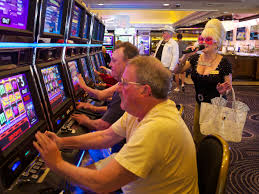
Slot machine addiction, also known as problem gambling or compulsive gambling, is a serious issue that affects many individuals. Understanding the science behind slot machine addiction can help in recognizing the signs, seeking treatment, and preventing its development. Here’s an overview of the key scientific factors and psychological mechanisms involved in slot machine addiction:
1. The Mechanisms Behind Slot Machine Addiction
A. The Role of Random Rewards
– Variable Ratio Reinforcement: Slot machines mahjong ways 2 use a variable ratio reinforcement schedule, which means that players receive rewards at unpredictable intervals. This randomness creates a high level of excitement and anticipation, making it difficult for players to predict when they will win.
– Brain’s Reward System: The unpredictability of rewards stimulates the brain’s reward system, releasing dopamine, a neurotransmitter associated with pleasure and reinforcement. This release creates a feeling of satisfaction and reinforces the behavior of playing, even in the absence of wins.

B. Near Misses and Cognitive Bias
– Near Misses: Slot machines often produce “near misses,” where players come close to winning but do not actually win. These near misses are perceived as partial successes, which can increase the desire to keep playing in the hope of achieving a full win.
– Cognitive Bias: Cognitive biases, such as the illusion of control and gambler’s fallacy, can distort a player’s perception of their chances of winning. For example, players might believe that they are due for a win after a series of losses, which can lead to continued play.
2. Psychological Factors Contributing to Addiction
A. Escape and Stress Relief
– Emotional Escape: Many individuals use slot machines as a means of escaping from stress, anxiety, or personal problems. The immersive nature of slot games can provide temporary relief from negative emotions, making them an appealing escape.
– Distraction: The fast-paced and engaging nature of slot machines can serve as a distraction from real-life issues, further reinforcing the behavior.
B. Illusion of Skill and Control
– Perceived Control: While slot machines are games of chance, players may believe they have some degree of control over the outcome. This illusion of skill or control can encourage continued play, as players feel they can influence the results.
– Skill-Based Features: Some modern slots incorporate skill-based elements or mini-games, which can further reinforce the illusion of control and contribute to addictive behavior.
3. Biological and Genetic Factors
A. Genetic Predisposition
– Family History: Research indicates situs macau123 that individuals with a family history of gambling problems may be more predisposed to developing slot machine addiction. Genetic factors can influence susceptibility to addictive behaviors.
– Brain Chemistry: Variations in brain chemistry and neurotransmitter systems, such as dopamine regulation, can affect an individual’s risk of developing addiction.
B. Brain Function and Structure
– Reward Pathways: Studies have shown that addiction to gambling can alter brain function and structure, particularly in areas related to reward processing, impulse control, and decision-making.
– Neuroimaging Studies: Neuroimaging studies reveal that individuals with gambling addiction may have abnormal activation in brain areas associated with reward and motivation, influencing their behavior and decision-making.
4. Signs and Symptoms of Slot Machine Addiction
A. Behavioral Indicators
– Increased Time and Money: Spending increasing amounts of time and money on slot machines, often beyond what was initially intended.
– Neglect of Responsibilities: Neglecting personal, professional, or social responsibilities due to excessive gambling.
B. Psychological Symptoms
– Preoccupation: Persistent preoccupation with slot machines, including planning or thinking about gambling while engaging in other activities.
– Emotional Distress: Experiencing emotional distress, such as anxiety, depression, or irritability, when not gambling or when facing losses.
C. Financial Impact
– Financial Strain: Experiencing financial difficulties or borrowing money to continue gambling. This can lead to debt, financial instability, and other economic problems.
5. Prevention and Treatment
A. Prevention Strategies
– Education and Awareness: Educating individuals about the risks and signs of gambling addiction can help in early identification and prevention. Awareness programs and responsible gambling initiatives can play a significant role.
– Setting Limits: Encouraging players to set limits on time and money spent on slot machines can help in managing their gambling behavior and reducing the risk of addiction.
B. Treatment Options
– Counseling and Therapy: Professional counseling and therapy, such as cognitive-behavioral therapy (CBT), can help individuals address the psychological aspects of addiction and develop healthier coping strategies.
– Support Groups: Joining support groups, such as Gamblers Anonymous, provides individuals with a supportive community and shared experiences, which can be beneficial in the recovery process.
– Medication: In some cases, medication may be prescribed to address underlying mental health issues or to help manage cravings and compulsive behaviors.
Conclusion
Understanding the science of slot machine addiction involves recognizing the psychological, biological, and behavioral factors that contribute to compulsive gambling. By being aware of these factors and implementing prevention strategies, players can make informed decisions and seek appropriate help if needed. For those struggling with addiction, seeking professional treatment and utilizing available resources can lead to recovery and healthier gambling habits.
