
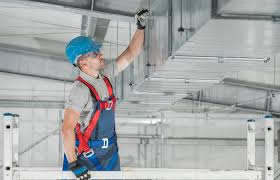
Proper ventilation plays a central role in how indoor environments feel, function, and remain healthy over time. While heating and cooling systems regulate temperature, ventilation determines how fresh air enters a space and how stale air exits. HVAC contractors consistently emphasize ventilation because it affects air quality, moisture control, system performance, and occupant comfort. Without adequate ventilation, indoor air can become trapped, leading to uneven temperatures, lingering humidity, and the buildup of airborne particles. Understanding why ventilation matters helps property owners see that it is not a secondary feature, but a core component of balanced indoor comfort and long-term building performance.
How Ventilation Supports Indoor Balance
Ventilation acts as the bridge between indoor spaces and the outside environment. HVAC contractors view it as a system that moves air in a controlled, intentional way. Fresh air introduction helps dilute indoor pollutants, while exhaust pathways remove moisture and odors. When properly designed, ventilation supports consistent airflow patterns that complement heating and cooling equipment. Contractors often explain that temperature control alone cannot compensate for stagnant air. A well-ventilated space feels fresher, more comfortable, and easier to maintain. This balance becomes increasingly important in modern buildings where tighter construction limits natural air exchange.
- Ventilation and Air Quality Control
Indoor air quality is directly influenced by ventilation effectiveness. Everyday activities such as cooking, cleaning, and even breathing release particles and moisture into the air. Without proper ventilation, these elements accumulate and linger. HVAC contractors often observe that poor air circulation causes discomfort and reduced air quality, even when temperatures are set correctly. Many property owners turn to a professional company, such as https://www.trust1services.com/service-area/quincy-ma/, to address ventilation issues after noticing persistent odors or stale indoor air. Controlled ventilation replaces trapped air with cleaner outside air, helping maintain healthier indoor conditions without disrupting thermal comfort.
- Moisture Management and Structural Protection
Ventilation plays a key role in managing indoor moisture levels. Excess humidity can accumulate in areas such as kitchens, bathrooms, and basements when air circulation is ineffective. HVAC contractors understand that moisture buildup affects more than comfort; it can impact building materials over time. Proper ventilation allows moist air to exit before it condenses on surfaces. This process helps protect walls, ceilings, and insulation from prolonged exposure to damp conditions. Balanced moisture levels also reduce strain on heating and cooling systems, allowing them to operate more smoothly and consistently.
- Ventilation and System Efficiency
Proper ventilation supports efficient HVAC operation by promoting balanced airflow throughout the building. When air circulates evenly, heating and cooling equipment does not need to compensate for trapped hot or cold zones. HVAC contractors often note that ventilation issues can cause systems to run longer cycles, increasing wear and energy use. By addressing airflow pathways and exhaust routes, ventilation reduces unnecessary workload on equipment. This coordination between ventilation and temperature control helps maintain consistent comfort while supporting predictable system performance over time.
- Impact on Occupant Comfort
Comfort is influenced by more than temperature alone. Ventilation affects how fresh the air feels and how evenly conditions are distributed across rooms. HVAC contractors recognize that poorly ventilated spaces often feel stuffy or uneven, even when thermostats indicate ideal settings. Proper ventilation removes pockets of stagnant air and promotes consistent conditions. This creates an environment that feels more comfortable and responsive. Occupants are less likely to adjust thermostats excessively when ventilation supports steady airflow, contributing to overall comfort stability.
- Ventilation in Modern Building Design
Modern construction methods often emphasize energy efficiency through tighter building envelopes. While this approach reduces energy loss, it also limits natural air infiltration. HVAC contractors address this challenge by integrating ventilation strategies that replace lost natural airflow. Mechanical ventilation systems ensure that fresh air enters intentionally rather than through gaps or leaks. This controlled approach allows buildings to maintain energy-conscious performance while still providing adequate air exchange. Contractors view ventilation as an essential companion to modern insulation and sealing practices.
- Noise and Airflow Considerations
Ventilation design also influences noise levels within a building. Poorly designed airflow pathways can create whistling or rushing sounds as air moves through restricted spaces. HVAC contractors assess duct sizing, vent placement, and airflow speed to minimize noise while maintaining effective ventilation. Quiet airflow contributes to a more pleasant indoor environment. Proper ventilation balances air movement and sound control, ensuring comfort extends beyond temperature to the overall sensory experience of the space.
- Maintenance and Long-Term Performance
Ventilation systems require ongoing attention to maintain effectiveness. Filters, vents, and exhaust pathways can become restricted over time, reducing air exchange. HVAC contractors emphasize routine checks to ensure ventilation components remain clear and functional. Regular maintenance supports consistent airflow and prevents gradual declines in air quality. Long-term performance depends on recognizing ventilation as an active system rather than a static feature. Maintaining ventilation supports healthier indoor conditions and reliable HVAC operation.
- Health and Daily Living Considerations
Ventilation affects daily life in subtle yet important ways. Fresh air circulation helps reduce lingering odors and supports a cleaner-feeling environment. HVAC contractors often explain that proper ventilation improves comfort during everyday activities. While temperature settings may change seasonally, ventilation needs remain consistent year-round. Understanding this ongoing role highlights why ventilation should be part of long-term comfort planning rather than an afterthought.
Proper ventilation is a foundational element of indoor comfort, according to HVAC contractors. It supports air quality, moisture control, system efficiency, and occupant comfort in ways that temperature control alone cannot achieve. By promoting balanced airflow and controlled air exchange, ventilation helps buildings function more smoothly and sustainably. Understanding its importance encourages proactive planning and maintenance. When ventilation is treated as a core component of HVAC systems, indoor environments feel fresher, more stable, and better equipped to support long-term comfort and performance.
