
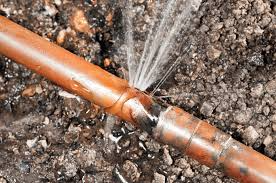
Plumbing systems are designed to work quietly in the background, delivering water where it is needed without disruption. When a pipe bursts or a water line fails, that quiet reliability disappears instantly, often causing stress, property damage, and interruption to daily routines. Burst pipes can release large volumes of water quickly, soaking walls, floors, and foundations. Water line failures can cut off the supply completely or introduce contamination risks. Plumbing repairs in these situations focus on rapid control, accurate diagnosis, and long-term restoration of system stability. Understanding how plumbers approach these emergencies helps property owners appreciate the importance of timely repairs and thoughtful solutions that protect both the structure and the plumbing network.
Key Aspects of Pipe and Line Failures
- Why Pipes Burst, and Water Lines Fail
Burst pipes and water line failures rarely happen without warning, even if the final break feels sudden. Changes in pressure, temperature shifts, corrosion, and material aging all contribute to weakness within plumbing systems. In colder conditions, trapped water can expand and crack pipes, while in warmer climates, constant pressure and mineral buildup can thin pipe walls over time. Plumbers assess the underlying causes to prevent recurrence after repairs are complete. In some neighborhoods, older infrastructure increases the risk of hidden deterioration, making regular inspection more important. In places like Pasadena, fluctuating seasonal conditions and aging residential plumbing can combine to increase stress on water lines, prompting plumbers to look beyond visible damage and address root causes during repairs.
- Immediate Response to Active Water Leaks
When a pipe bursts or a water line breaks, the priority is to stop the flow of water to limit damage. Plumbers act quickly to isolate affected sections using shutoff valves or temporary caps. This immediate response protects nearby materials and allows a safer environment for repair work. After containment, plumbers assess the extent of damage and check surrounding pipes for stress or weakness. Water intrusion can spread behind walls and under floors, so careful assessment ensures that no secondary leaks are overlooked. This early stage of repair sets the tone for the entire process, balancing urgency with precision to stabilize the situation without causing additional disruption.
- Assessing Structural and System Impact
Once the leak is controlled, plumbers examine how the failure has affected both the plumbing system and the building itself. Changes in water pressure can strain neighboring pipes, while prolonged leaks may weaken supports or promote moisture-related issues. Plumbers consider pipe material, joint condition, and system layout to determine whether a localized fix is sufficient or if broader repairs are needed. This evaluation helps avoid short-term solutions that could lead to future failures. By understanding how water lines interact with the structure, plumbers tailor repairs to restore not just water flow but overall system balance.
- Focused Insight on Temporary Versus Permanent Fixes
Not all repairs serve the same purpose, and plumbers distinguish carefully between temporary measures and lasting solutions. Temporary fixes, such as clamps or sealants, may stabilize a situation briefly but are not designed for long-term reliability. Permanent repairs involve replacing damaged sections, reinforcing joints, or upgrading materials to match current demands. This paragraph highlights how plumbers decide when each approach is appropriate. Temporary measures buy time, while permanent repairs restore confidence in the system. Making the right choice ensures that the plumbing system remains dependable after the immediate emergency has passed.
- Restoring Water Lines and Preventing Recurrence
After damaged sections are replaced, plumbers focus on restoring proper pressure and flow throughout the system. This stage involves testing connections, flushing lines, and verifying that repaired areas integrate smoothly with existing plumbing. Preventive measures often follow, such as pressure regulation or insulation adjustments, to reduce the risk of future bursts. Plumbers also advise on maintenance practices that support long-term performance. By addressing both the immediate repair and the underlying causes of the failure, they help ensure that water lines remain stable under everyday use.
- Long-Term Implications of Pipe and Line Repairs
Burst pipe repairs and water line restorations have lasting implications for property performance and value. Properly executed repairs can extend system life and improve reliability, whereas rushed or incomplete work can lead to recurring issues. Plumbers take a forward-looking approach, considering how repairs today will affect system behavior in the years ahead. This perspective supports consistent water delivery and reduces the likelihood of emergency calls. Thoughtful repair strategies contribute to peace of mind by reinforcing the plumbing system’s ability to handle pressure, usage, and environmental changes.
Rebuilding Confidence After Plumbing Failures
Plumbing repairs for burst pipes and water line failures are about more than stopping leaks; they are about restoring trust in a system that supports daily life. Through quick response, careful assessment, and durable repairs, plumbers help protect homes and buildings from ongoing damage. Addressing underlying causes ensures that repairs last and systems remain dependable. When handled with attention and planning, these repairs transform a disruptive emergency into an opportunity to strengthen plumbing infrastructure. The result is a water system that performs reliably, maintains comfort, and reduces the risk of future failures, allowing occupants to proceed with confidence.
