
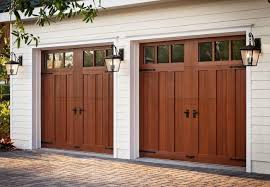
Choosing a garage door is a practical and visual decision that directly affects daily convenience, long-term maintenance, and how a home presents itself from the street. Homeowners often focus only on appearance, but the right choice requires balancing materials, structural performance, climate considerations, and architectural harmony. We will explore how thoughtful selection can prevent premature wear, reduce ongoing costs, and improve overall functionality. From insulation value to durability against seasonal weather, every detail matters more than it initially appears. With guidance informed by real-world installations and repairs, Don’s Garage Doors helps homeowners think beyond surface-level design and approach garage door selection as a long-term investment that supports both comfort and property value.
Evaluating Garage Door Materials for Durability and Climate Performance
Garage door materials are the foundation of performance, and each option performs differently based on usage patterns and local weather conditions. A reliable garage door supplier often recommends steel doors for their strength and resistance to warping, making them suitable for areas with temperature swings or frequent wind exposure. Aluminum doors offer a lighter alternative, reducing strain on door components and supporting long-term operation, especially in wider openings. Wood doors offer a traditional, warm appearance but require regular maintenance to manage moisture exposure and prevent surface degradation.
Composite materials combine visual appeal with reduced maintenance, offering the look of wood without the same vulnerability to humidity. Insulation layers, internal reinforcement, and surface finishes influence energy efficiency and indoor comfort. Selecting materials based on climate realities rather than trends ensures the door performs reliably over time while supporting the home’s overall efficiency goals.
Aligning Garage Door Styles With Architectural Design
Style selection should reinforce the home’s architectural identity rather than compete with it. A modern home often benefits from clean lines, minimal panel detailing, and glass inserts that introduce natural light without compromising privacy. Traditional homes may lean toward raised-panel designs or carriage-style doors that reflect historical character while accommodating modern functionality. Color selection also plays a critical role: lighter shades can visually expand the façade, while darker tones create contrast and depth. Window placement and panel symmetry further influence how the garage integrates with the rest of the structure.
Proportions, hardware accents, and surface textures contribute to cohesion rather than distraction. When style decisions align with the architecture, the garage door becomes a seamless extension of the home rather than an afterthought, enhancing curb appeal in a subtle and lasting way.
Balancing Maintenance Requirements With Daily Use Expectations
Maintenance considerations often determine satisfaction years after installation. Materials that require frequent repainting or sealing may initially appear visually appealing, but can become burdensome over time. Steel and composite doors typically require minimal upkeep, making them suitable for homeowners seeking convenience and consistency. Track systems, rollers, and spring assemblies also affect maintenance requirements, especially for households that use the garage as the primary entry point. Finish quality, hardware selection, and proper installation practices reduce wear and limit service interruptions. A door designed with realistic usage patterns in mind will operate smoothly and quietly, minimizing the need for adjustments. The company emphasizes selecting materials and styles that align with the door’s usage frequency, ensuring functionality remains reliable without requiring constant attention.
Considering Long-Term Cost Efficiency and Practical Value
Initial price should be evaluated alongside lifespan, repair frequency, and energy performance. A lower upfront cost may result in higher expenses over time if materials degrade quickly or insulation performance is limited. Insulated doors help regulate temperature in attached garages, reducing strain on adjacent living spaces. Material thickness, core construction, and weather sealing affect energy retention and noise reduction. Style choices also influence resale perception, as cohesive design often signals careful property maintenance to future buyers. By viewing the garage door as part of the home’s infrastructure rather than a decorative element, homeowners can make decisions that support financial efficiency. The company applies this perspective by helping clients weigh immediate budget constraints against long-term value, leading to choices that remain practical well beyond installation.
Selecting the right garage door material and style requires a structured approach that considers performance, appearance, maintenance, and long-term costs equally. Homeowners who evaluate these factors together are more likely to achieve results that remain satisfying over time. Informed decisions reduce unexpected repairs, enhance daily usability, and strengthen curb appeal without unnecessary complexity. By focusing on climate suitability, architectural alignment, and realistic maintenance expectations, the garage door becomes a dependable asset rather than a recurring concern. With thoughtful guidance and practical insight, the company helps homeowners make selections that reflect both immediate needs and future priorities, ensuring the garage door enhances the home for years to come.
