
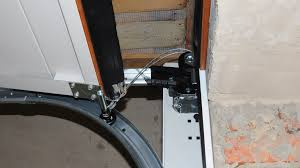
A garage door system relies on precise alignment and controlled movement to function reliably day after day. Tracks and rollers play a central role in guiding the door’s weight, maintaining balance, and reducing unnecessary strain on other components. When these parts are worn, bent, or poorly adjusted, even a well-built door can become noisy, uneven, or unsafe to operate. We will explore how Garage Door Doctor approaches track and roller repairs with a methodical process that prioritizes consistency, durability, and smooth performance.
By focusing on inspections, corrective adjustments, quality parts, and long-term preventive maintenance, the company ensures garage doors operate quietly and predictably without stressing springs, openers, or panels. This structured approach helps homeowners restore confidence in daily operation while extending the overall service life of their garage door systems.
Initial Assessment and Precision Diagnostics
Every successful repair begins with a detailed assessment of the garage door’s current condition. Track and roller issues rarely exist in isolation, so technicians evaluate alignment, mounting hardware, door balance, and signs of friction along the rail path. They check for warped tracks, loose brackets, accumulated debris, and rollers that no longer rotate freely. This diagnostic stage is critical because even a minor misalignment can cause repeated wear if left uncorrected.
Instead of relying on surface-level fixes, the inspection process identifies underlying causes such as foundation shifting, impact damage, or gradual loosening from regular use, drawing on standards commonly followed by a garage door supplier to ensure consistency and reliability. Measurements are taken to confirm spacing and vertical alignment, ensuring both sides of the track system work in unison. By documenting these findings, technicians can determine whether adjustments, component replacement, or reinforcement is required, using components and methods aligned with those recommended by a garage door supplier. This disciplined evaluation sets the foundation for repairs that restore smooth travel rather than temporarily masking symptoms.
Track Realignment and Structural Corrections
Once diagnostic findings are complete, attention turns to restoring proper track positioning. Tracks must remain plumb, level, and securely fastened to support the door’s weight evenly. Technicians carefully loosen mounting brackets to make controlled adjustments, correcting bends or offsets that cause the rollers to deviate from their intended path. Where damage is more severe, sections of track may be replaced to ensure consistent curvature and strength. Reinforcement brackets are installed where movement or vibration has compromised stability, preventing future drift.
During this process, clearances between rollers and track edges are verified to minimize friction while maintaining secure guidance. This phase also includes tightening fasteners to manufacturer-recommended torque levels, which helps prevent gradual loosening over time. Through these precise corrections, the garage door company restores the track system’s structural integrity, allowing the door to open and close without hesitation, binding, or uneven motion.
Roller Evaluation and Replacement Strategy
Rollers endure constant motion and load, making them one of the most wear-prone components in a garage door system. During repairs, each roller is inspected for flat spots, cracked housings, worn bearings, or excessive stem play. Rollers that no longer rotate smoothly are replaced with options suited to the door’s weight and usage frequency. Proper material selection reduces noise and helps maintain consistent performance under daily cycles. Installation focuses on ensuring each roller seats correctly within the track and aligns with the door hinge geometry. Lubrication is applied sparingly and appropriately to reduce friction without attracting debris. This attention to detail ensures that new rollers complement the corrected track alignment rather than introducing new stress points. By treating rollers as integral load-bearing elements rather than minor accessories, the repair process improves overall door balance and responsiveness.
Balancing Movement for Quiet and Reliable Operation
After tracks and rollers are repaired or replaced, the system undergoes operational testing to confirm balanced movement. The door is cycled multiple times to observe speed consistency, sound levels, and responsiveness. Any resistance or irregular motion is addressed immediately through fine-tuning adjustments. This phase often involves coordinating track and roller performance with spring tension and opener force settings to ensure all components work in concert.
Proper balance reduces strain on the opener motor and minimizes wear on hinges and panels. Technicians also verify safety features, confirming that the door responds correctly to manual operation and automatic controls. This comprehensive testing ensures that repairs translate into tangible improvements in daily use. By emphasizing balance and harmony across components, the garage door company delivers repairs that feel smooth, quiet, and dependable rather than merely functional.
Preventive Measures and Long-Term Reliability
Beyond immediate repairs, long-term reliability depends on preventive measures that reduce future wear and tear. Technicians provide guidance on routine maintenance, including periodic visual inspections and appropriate lubrication intervals. They may recommend hardware upgrades or reinforcement in areas prone to movement or vibration. Environmental factors, including humidity and temperature changes, are also considered when advising on maintenance schedules. By addressing these variables, the repair process extends beyond the immediate fix and supports sustained performance.
Homeowners benefit from fewer disruptions, reduced noise, and a lower likelihood of sudden failures. This forward-looking approach reflects a commitment to operational stability rather than short-term solutions. Through careful repair execution and preventive insight, Garage Door Doctor helps ensure that track and roller systems continue to support smooth operations over time.
Track and roller repairs require more than simple part replacement; they demand a coordinated process that restores alignment, balance, and structural support. By focusing on the interaction between tracks, rollers, and related hardware, the garage door company delivers repairs that enhance reliability while reducing strain on the entire system. This comprehensive strategy not only resolves immediate issues but also supports long-term durability, giving homeowners confidence that their garage doors will operate smoothly through daily use and changing conditions.
