
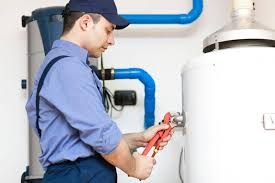
Water heaters play a quiet but essential role in daily comfort, supporting bathing, cleaning, cooking, and countless routine tasks. When a water heater begins to underperform or fail, the disruption is felt immediately throughout a home or business. Plumbers are responsible for keeping these systems operating reliably through careful repairs, inspections, and maintenance practices. Their work involves understanding mechanical components, water pressure behavior, temperature regulation, and long-term wear patterns. By applying structured repair methods and preventive maintenance, plumbers help water heaters maintain steady performance, reduce unexpected breakdowns, and operate safely over years of regular use.
Role of plumbers
- Initial Assessment and Diagnostic Process
Plumbers begin water heater repairs with a thorough assessment designed to identify both obvious and hidden problems. This process often starts with evaluating symptoms such as inconsistent water temperature, unusual noises, slow recovery times, or visible leaks. Plumbers inspect heating elements, thermostats, gas valves, and pressure relief components to determine where performance is compromised. They also check for sediment buildup inside the tank, which can affect heating efficiency and accelerate corrosion. In urgent situations involving leaks or loss of hot water, calls related to emergency plumbing in Philadelphia may arise during these diagnostic stages. Accurate diagnosis ensures that repairs address root causes rather than surface symptoms, allowing the water heater to return to stable operation without recurring issues.
- Repairing Heating Components and Controls
Once issues are identified, plumbers focus on repairing or replacing faulty heating components. For electric water heaters, this often involves testing and replacing heating elements or recalibrating thermostats that no longer regulate temperature properly. Gas water heaters require careful attention to burners, pilot assemblies, and gas supply controls to ensure safe ignition and combustion. Plumbers verify that safety mechanisms respond correctly to temperature and pressure changes, preventing overheating or system shutdowns. Throughout this process, they ensure compatibility between replacement parts and the existing unit to avoid future performance conflicts. These targeted repairs restore consistent water heating while preserving the system’s structural integrity.
- Managing Sediment and Mineral Buildup
Sediment accumulation is a common factor affecting water heater longevity and efficiency. Over time, minerals in the water settle to the bottom of the tank, forming layers that impede heat transfer. Plumbers address this issue through controlled flushing procedures that remove buildup without damaging internal surfaces. They monitor water clarity and pressure during flushing to ensure sediment is fully expelled. Addressing mineral buildup reduces strain on heating elements and lowers the risk of tank overheating. By managing sediment early, plumbers help water heaters maintain steady output while minimizing energy waste and mechanical stress.
- Protecting Safety and Pressure Balance
Water heater maintenance requires continuous monitoring of pressure and temperature balance. Plumbers routinely inspect pressure relief valves to confirm they activate correctly under high-pressure conditions. A malfunctioning valve can allow pressure to build inside the tank, increasing the risk of leaks or structural failure. By testing and maintaining these safety components, plumbers ensure that excess pressure is released in a controlled manner. This protective approach preserves the tank’s internal lining and safeguards the surrounding plumbing connections. Maintaining proper pressure balance is essential for long-term water heater stability and dependable daily use.
- Preventive Maintenance Scheduling and Monitoring
Beyond immediate repairs, plumbers emphasize preventive maintenance as a key factor in water heater reliability. Scheduled inspections allow them to detect gradual wear in components such as anode rods, which protect the tank from corrosion. Replacing worn anode rods extends tank life by slowing internal rust formation. Plumbers also examine connection points, valves, and fittings for early signs of deterioration. Monitoring these elements over time helps prevent small issues from developing into costly repairs. Preventive maintenance helps maintain steady performance while reducing the risk of unexpected system downtime.
- Adapting Repairs to Usage Patterns
Plumbers tailor water heater repairs and maintenance strategies to match how a system is used. Households with high water demand may experience faster component wear compared to low-usage environments. Plumbers assess usage patterns to determine whether recovery rates, tank size, or temperature settings require adjustment. These evaluations help balance performance with system durability, preventing excessive strain during peak demand periods. By aligning repairs with real-world usage, plumbers ensure water heaters operate efficiently without unnecessary stress on internal components.
- Addressing Leak Prevention and Structural Integrity
Leaks are among the most concerning water heater issues because they can cause property damage. Plumbers inspect tanks, fittings, and drain valves for moisture accumulation or corrosion. Early leak detection allows for timely repairs that protect flooring, walls, and surrounding plumbing infrastructure. When corrosion threatens tank integrity, plumbers evaluate whether repairs can extend service life or if replacement planning is more appropriate. Their careful inspection methods reduce the risk of sudden tank failure while preserving the reliability of the water heater.
Water heater repairs and maintenance require a balanced approach that combines technical precision, safety awareness, and long-term planning. Plumbers support system reliability by accurately diagnosing issues, repairing heating components, managing sediment buildup, and maintaining safety controls. Preventive maintenance and usage-based adjustments further enhance system durability and performance. Through consistent oversight and timely intervention, plumbers help water heaters deliver dependable hot water while minimizing unexpected disruptions. Their role ensures that these essential systems remain safe, efficient, and reliable throughout years of daily operation.
