
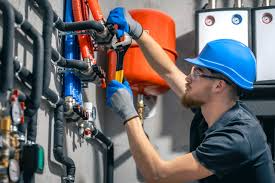
Energy efficiency has become a defining priority in modern building design and home comfort planning. Heating and cooling systems account for a significant share of energy consumption, so even small efficiency gains can lead to noticeable changes in operating costs and environmental impact. HVAC contractors play a central role in guiding this transition by helping property owners move from outdated equipment to systems designed for smarter energy use. This shift is not only about replacing old units but also about rethinking how heating and cooling interact with building design, usage habits, and long-term goals. Through careful assessment and system planning, contractors help create indoor environments that balance comfort, reliability, and responsible energy consumption.
How the Transition Is Explained Below
- Why Older HVAC Systems Fall Short Over Time
Many existing HVAC systems were designed when energy costs were lower, and efficiency standards were less stringent. As a result, these systems often consume more power to achieve the same level of comfort expected today. HVAC contractors regularly encounter equipment that still functions but operates inefficiently due to aging components, outdated controls, or poor integration with current building layouts. Over time, wear and tear reduce system responsiveness, leading to longer run cycles and uneven temperature control. In regions like Auburn, WA, where seasonal temperature fluctuations are frequent, these inefficiencies become more pronounced as systems struggle to adapt. Contractors evaluate these limitations carefully, helping owners understand how older designs affect performance and why transitioning to newer solutions can address both comfort and energy concerns.
- Understanding Modern Energy-Efficient HVAC Technologies
Energy-efficient HVAC systems rely on advancements that allow more precise control over heating and cooling output. Variable-speed motors, advanced compressors, and smart control interfaces adjust system performance to match real-time demand rather than operating at full capacity continuously. HVAC contractors explain how these technologies reduce unnecessary energy use while maintaining consistent indoor conditions. Improved heat exchangers and better refrigerant management also contribute to smoother operation. Contractors help property owners see that efficiency gains come from system harmony rather than individual components alone. By aligning equipment capabilities with building needs, modern systems reduce strain and operate more predictably throughout the year.
- Short Focus on Planning a System Upgrade
Transitioning to an energy-efficient system requires thoughtful planning rather than a simple equipment swap. HVAC contractors assess building size, insulation quality, airflow patterns, and usage habits before recommending upgrades. This focused planning stage ensures that new systems are properly matched to the space they serve. A well-planned upgrade avoids common issues such as short cycling or uneven temperatures, setting the foundation for long-term efficiency and comfort.
- The Role of HVAC Contractors in System Integration
Energy-efficient systems perform at their highest level when integrated seamlessly with existing building features. HVAC contractors coordinate ductwork modifications, control placement, and equipment configuration to ensure smooth interaction between components. Even the most advanced system can underperform if airflow is restricted or controls are poorly positioned. Contractors address these details by testing and adjusting system behavior during and after installation. Integration also involves ensuring compatibility with ventilation and indoor air quality features. This comprehensive approach helps systems respond accurately to changing conditions, reducing wasted energy and supporting consistent performance.
- Balancing Comfort Expectations With Energy Goals
One challenge in transitioning to energy-efficient HVAC systems is aligning comfort expectations with new operating characteristics. Efficient systems often operate differently from older units, using longer, quieter cycles rather than short bursts of high output. HVAC contractors help occupants understand these differences and adjust expectations accordingly. This education supports smoother adoption and helps users recognize efficiency benefits in daily operation. By fine-tuning system settings and responding to feedback, contractors help maintain comfort while keeping energy use in check. This balance ensures that efficiency improvements do not come at the expense of indoor satisfaction.
- Long-Term Operational Benefits of Efficient Systems
Energy-efficient HVAC systems offer advantages that extend beyond immediate energy savings. Reduced system strain can support longer equipment lifespan and more stable operation over time. HVAC contractors emphasize how smoother performance reduces the frequency of unexpected breakdowns and helps maintain consistent indoor conditions. Improved controls also make it easier to adapt systems as building usage changes. Over the long term, these benefits contribute to predictable operating costs and reduced maintenance demands. Contractors view efficiency as an ongoing advantage rather than a one-time improvement.
- Adapting to Future Efficiency Standards
Efficiency standards continue to evolve, and HVAC contractors help property owners prepare for future expectations. By installing systems designed for adaptability, contractors support compliance with upcoming regulations and emerging technologies. This forward-looking approach reduces the need for frequent upgrades and helps systems remain relevant as energy priorities shift. Contractors stay informed about industry developments and guide clients toward solutions that align with long-term efficiency trends. This adaptability supports responsible energy use and future-ready building performance.
The transition to energy-efficient HVAC systems represents a meaningful shift in how buildings manage comfort and energy use. HVAC contractors serve as guides throughout this process, translating technical advancements into practical solutions that align with real-world needs. By addressing system limitations, planning thoughtful upgrades, and supporting long-term performance, they help create indoor environments that are comfortable, reliable, and mindful of energy consumption. This transition is not defined by a single decision but by a series of informed choices that shape how heating and cooling systems perform for years to come.
