
Maintaining a healthy crawl space is a year-round responsibility that homeowners often overlook. Seasonal changes can significantly affect a home’s structural integrity, air quality, and energy efficiency, especially when moisture, pests, or temperature fluctuations are present. Crawl spaces are particularly vulnerable to these issues because they are often damp, dark, and difficult to access. We will explore the ways seasonal care can protect crawl spaces and how encapsulation provided by Vance Insulation contributes to a safer, more energy-efficient, and comfortable home environment. Understanding seasonal challenges and preventive measures is essential for long-term home maintenance, comfort, and property value protection.
Protecting Your Crawl Space Through Seasonal Maintenance
Regular seasonal maintenance ensures that a crawl space remains dry, well-ventilated, and free of debris that can lead to more significant problems. During spring, melting snow and increased rainfall can cause moisture accumulation, which encourages mold growth and wood rot. Homeowners should inspect for water intrusion and ensure that gutters, downspouts, and grading are directing water away from the foundation. Summer brings higher humidity, which can affect the crawl space, making ventilation a key focus. Removing organic debris and monitoring for pest activity is crucial during this season. In the fall, leaves that fall can clog drainage systems, while temperature fluctuations can increase condensation in the crawl space. Winter introduces the risk of frozen pipes and condensation from temperature extremes. Seasonal inspections and preventive measures, combined with crawl space encapsulation by Vance Insulation, help identify potential issues before they escalate, reducing costly repairs and preserving indoor air quality.
The Role of Encapsulation in Maintaining a Healthy Crawl Space
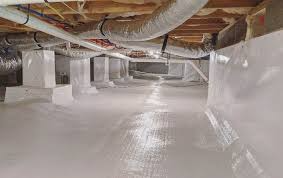
Crawl space encapsulation provides a long-term solution to moisture and air quality concerns that fluctuate with the seasons. Encapsulation involves sealing the crawl space floor and walls with a durable vapor barrier to block moisture from the soil and prevent damp air from entering the living areas above. By controlling humidity levels, encapsulation reduces the risk of mold, mildew, and wood decay, which are often exacerbated during wet seasons. It also stabilizes indoor temperature, improving comfort and reducing energy costs. Encapsulation is particularly effective in areas with high seasonal rainfall or humidity, providing a controlled environment that minimizes the impact of external weather conditions. For homeowners who have struggled with persistent dampness or musty odors, encapsulation offers a reliable, preventative approach that complements regular seasonal maintenance.
Spring Preparations and Moisture Control
Spring demands careful attention to water management around the home, as thawing snow and heavy rainfall can saturate the soil under the foundation. Homeowners should clear debris from gutters and ensure that downspouts are extended away from the crawl space. Installing or inspecting drainage systems, including French drains as needed, helps prevent water accumulation that can damage insulation and structural components. Encapsulation provides an additional layer of protection by preventing moisture from seeping into the crawl space, even when external drainage systems are overwhelmed. Inspecting and repairing the vapor barrier in spring helps ensure it continues to function effectively through the wetter months. Regularly checking for signs of mold or musty odors allows homeowners to address issues before they impact the home’s interior or air quality.
Summer Ventilation and Pest Prevention
During the summer months, the combination of heat and humidity can create conditions conducive to mold growth and pest activity in crawl spaces. Ensuring proper ventilation is essential to maintain airflow and reduce moisture accumulation. Homeowners should inspect vents, fans, and dehumidifiers to ensure they operate efficiently. Encapsulation helps maintain consistent humidity and blocks entry points for pests, including rodents and insects. Sealing gaps and installing protective barriers reduces the risk of infestations that can damage insulation, wiring, and structural wood. Summer is also an ideal time to schedule maintenance or repairs in the crawl space, as dry conditions make inspections and upgrades easier. Regular monitoring throughout the season helps ensure the crawl space remains safe, dry, and structurally sound.
Fall Inspections and Preparations for Winter
As temperatures drop and leaves begin to accumulate, fall is a critical time for crawl space inspections. Homeowners should check for clogged gutters, drainage issues, and water accumulation near the foundation. Inspecting the vapor barrier and ensuring the encapsulation system is intact will prevent winter moisture and condensation issues. Fall is also the time to test dehumidifiers and ensure proper airflow, as these measures reduce the risk of mold and mildew during the colder months. Sealing cracks and adding insulation if needed can stabilize crawl space temperatures and protect plumbing from freezing. Preventive maintenance in the fall helps ensure homeowners are ready for the harsh winter months, reducing the risk of damage, energy loss, and indoor air quality issues.
Winter Protection and Energy Efficiency
Winter introduces cold temperatures that can cause condensation, frozen pipes, and drafts if the crawl space is not properly maintained. Encapsulation helps by creating a controlled environment that limits moisture penetration and temperature fluctuations. Maintaining a clean, dry, and insulated crawl space during winter improves energy efficiency, reducing heating costs while keeping living spaces comfortable. Homeowners should monitor for signs of water infiltration, ice formation, and structural stress, addressing any issues promptly. Checking dehumidifiers, ventilation systems, and vapor barriers ensures that the crawl space remains functional and protected throughout the cold season. Proper winter care safeguards the foundation, plumbing, and insulation, preventing costly repairs and maintaining overall home performance.
Seasonal crawl space care is an essential component of long-term home maintenance, addressing the unique challenges each season presents. Moisture management, pest prevention, and temperature stabilization are critical to structural integrity, indoor air quality, and energy efficiency. Encapsulation enhances these efforts by creating a sealed, controlled environment that minimizes moisture, blocks pests, and supports consistent airflow. By implementing seasonal inspections and preventive measures alongside encapsulation, homeowners can protect their investment, maintain comfort, and reduce long-term repair costs. Proactive crawl space care helps ensure a home remains resilient, efficient, and safe year-round.
